
Journal
Notes from the workshop.
How garments actually get made — the decisions, the trade-offs, and the things that go wrong before they go right.
· 5 min
How we got here
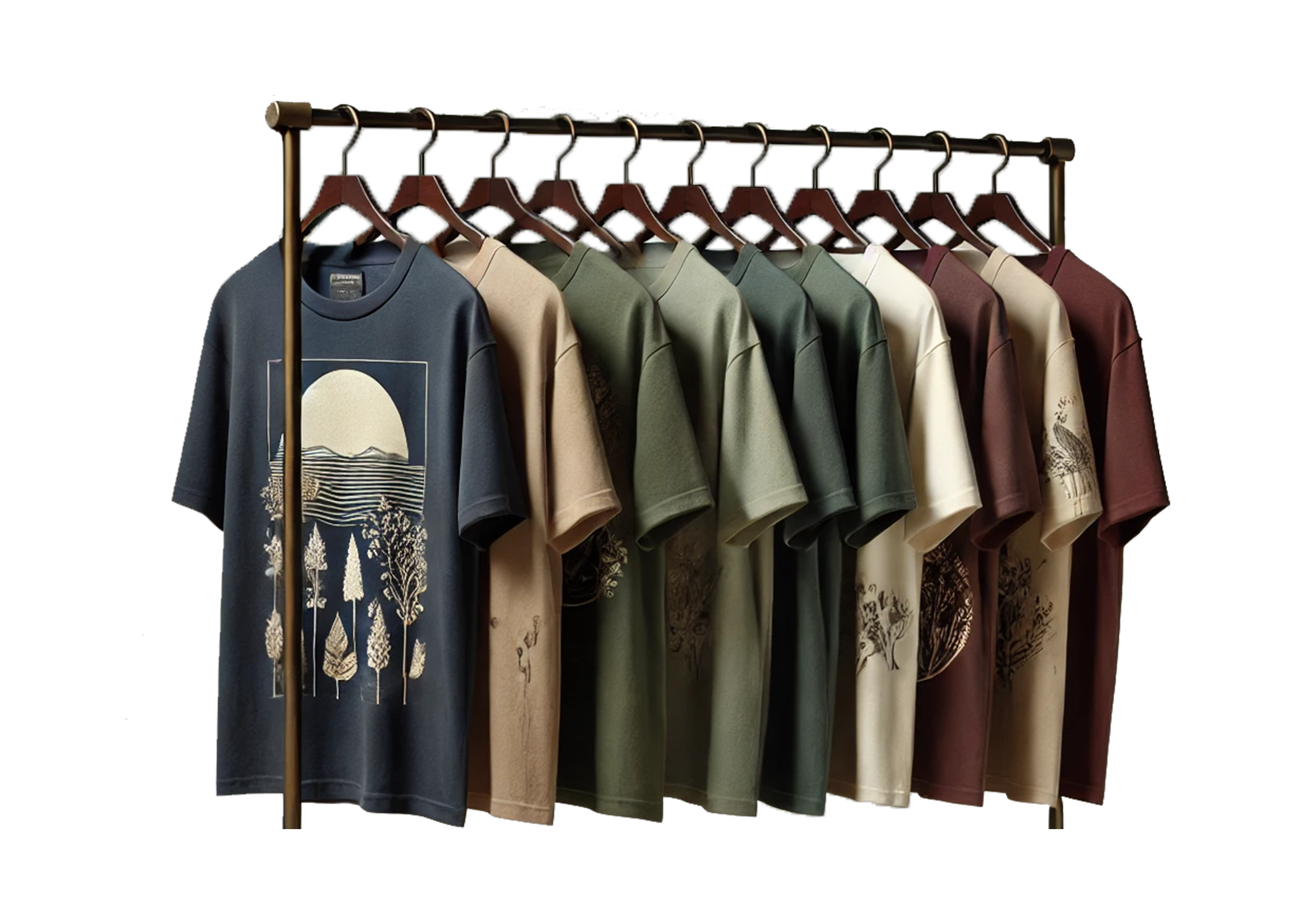
It started in 2012 with one person who wanted to make a T-shirt. What followed was a decade of getting it wrong in almost every way it is possible to get it wrong.
· 4 min
What happens to a thirty-piece order
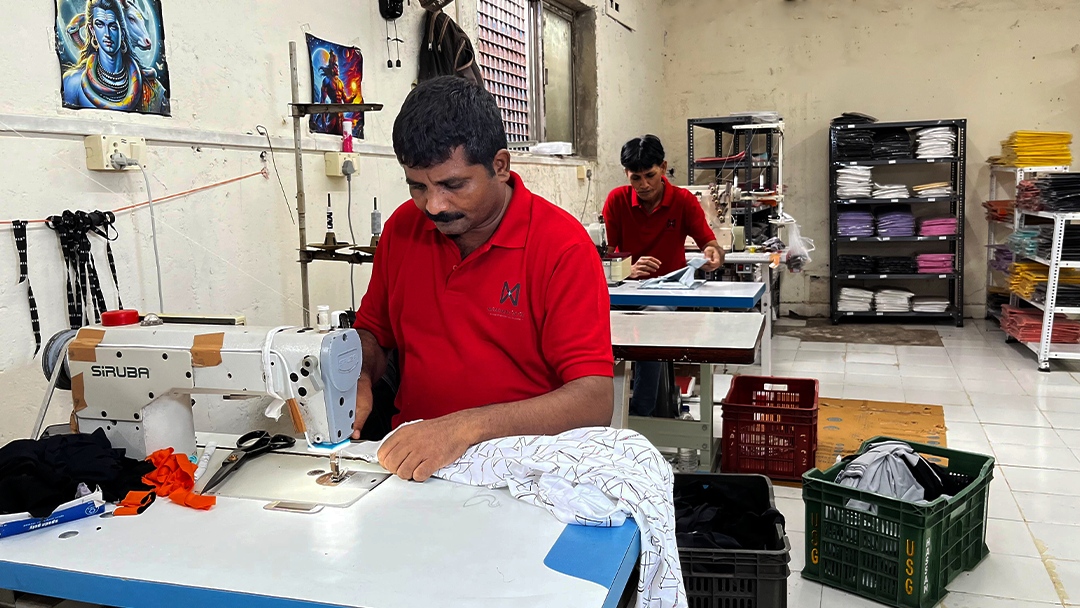
Thirty pieces is our minimum. Here is every stage one of those orders passes through, and why the small runs get the same attention as the large ones.
· 4 min
Screen, puff, HD, DTF — which one your artwork actually needs
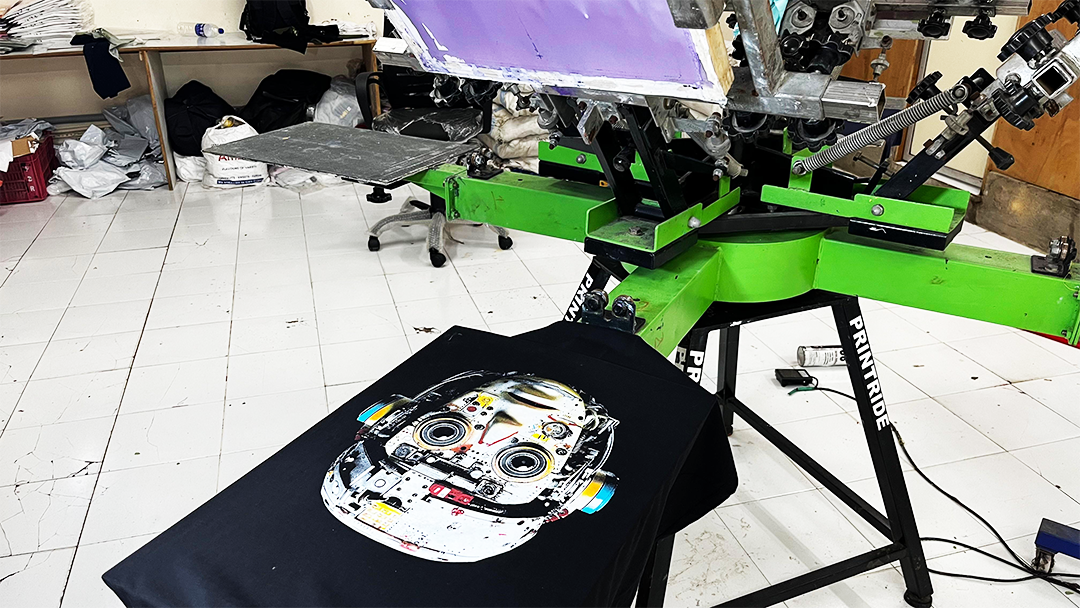
Five printing techniques, and an honest account of what each is good at, what it costs you, and when it is the wrong choice. Most brands arrive having already picked the wrong one.
· 4 min
Why we're in Mumbai
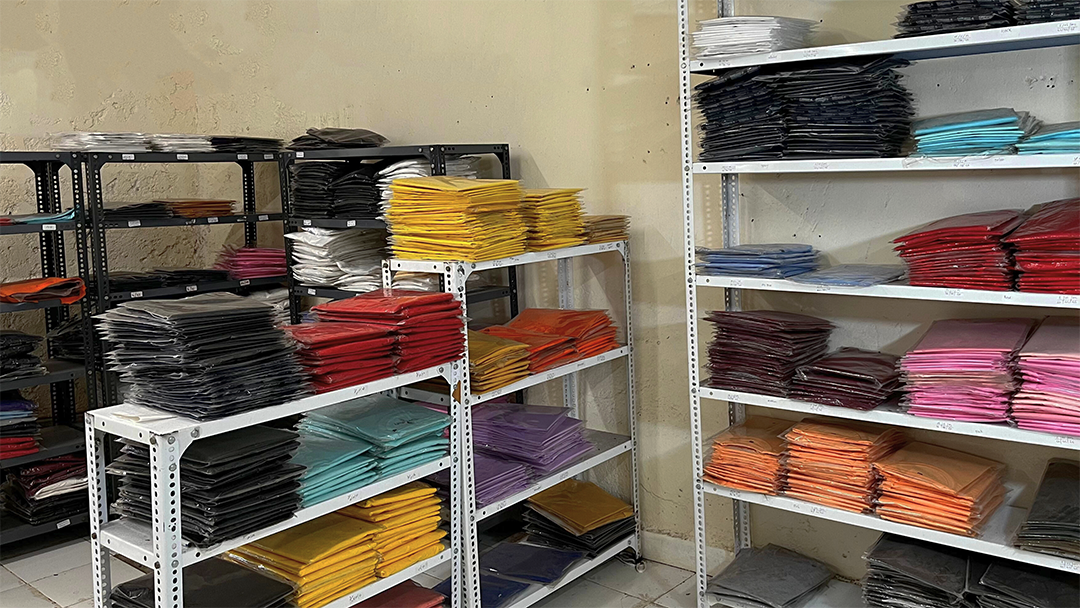
You can make garments more cheaply elsewhere in India. What you cannot do elsewhere is fix a problem the same afternoon it appears.
· 4 min
Why we pre-shrink, and what happens when nobody does
A tee that fits in the studio and not after the first wash is not a fabric problem as far as your customer is concerned. It is a problem with your brand.
· 5 min
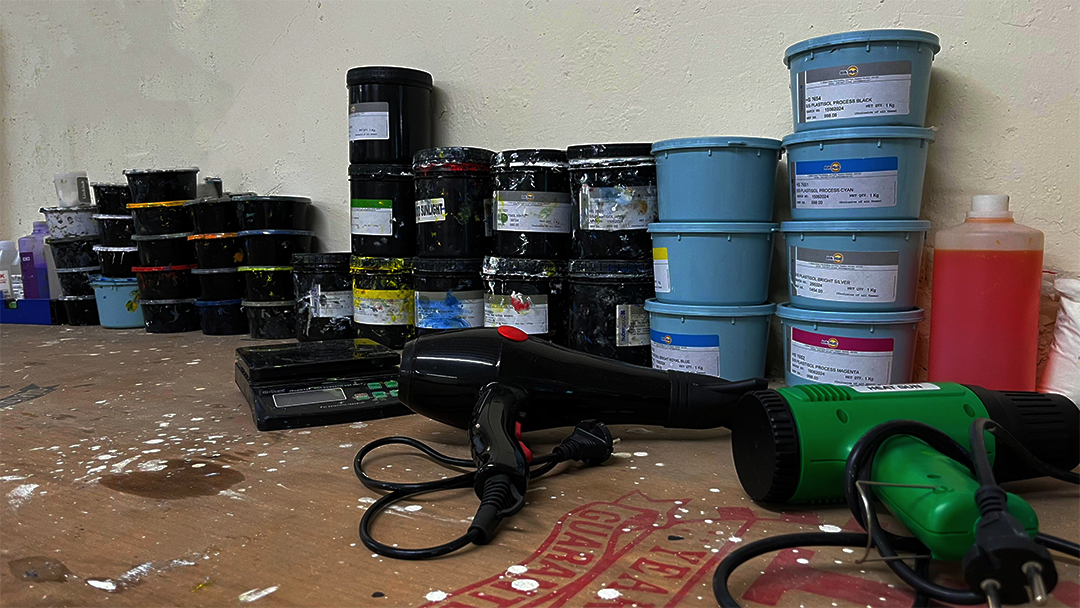
The people on the floor
Seventeen people make everything that leaves this building. Automation gets the credit in most manufacturing stories; here the credit belongs to two people with fifty years between them.
· 5 min
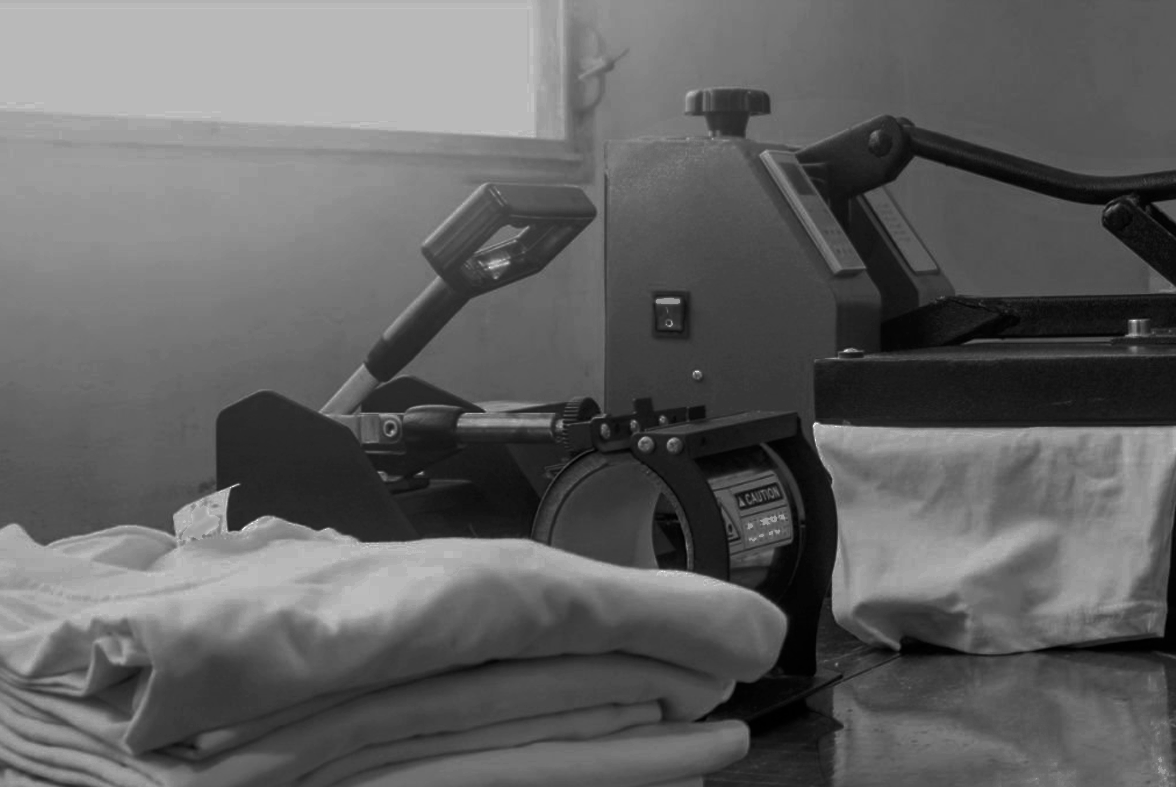
Why we built our own production system
"Where is my order?" is the most common question any manufacturer is asked, and most of this industry answers it with a guess dressed up as a date.
· 6 min
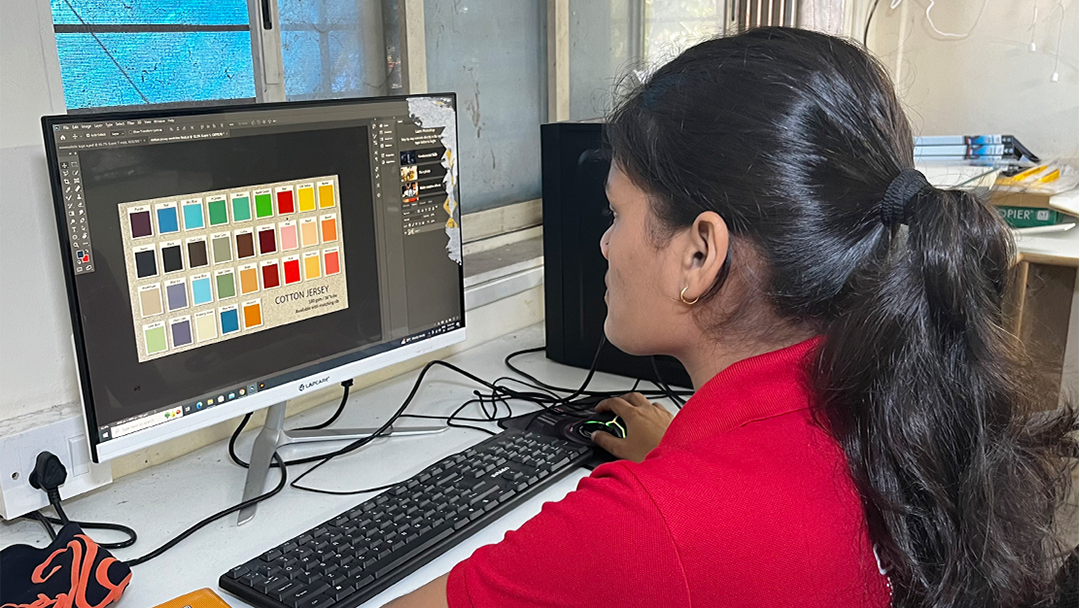
How to brief a manufacturer so you get what you pictured
Almost everything that goes wrong in a first order was decided, or left undecided, in the first conversation. Here is what to bring to it.
· 5 min
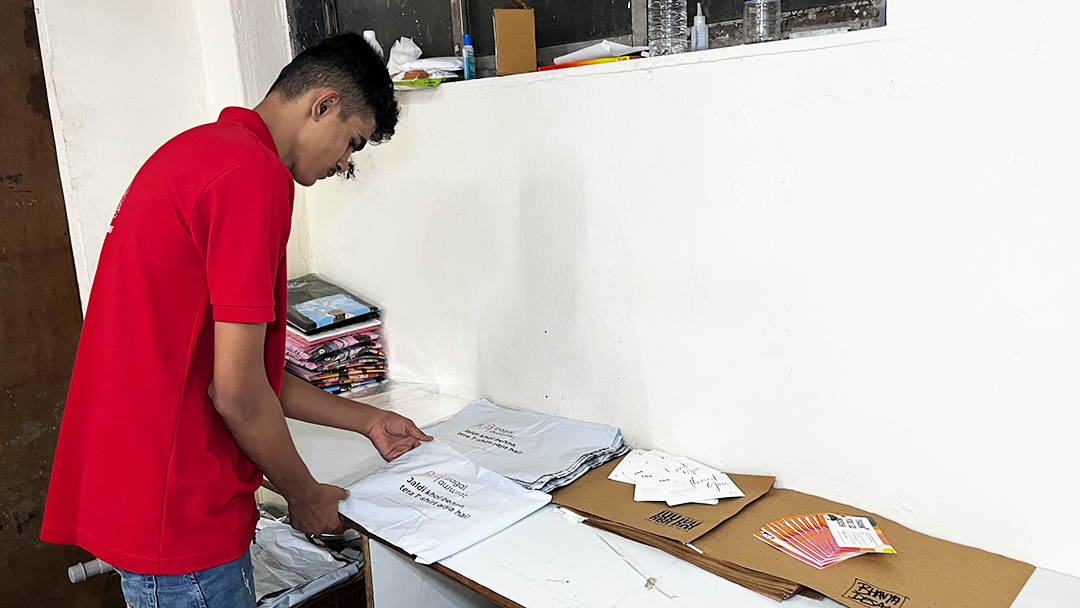
Packaging is the part your customer actually opens
The garment is the product. The box is the first thing anyone touches — and at small volumes it is the cheapest way to look like a much larger brand than you are.